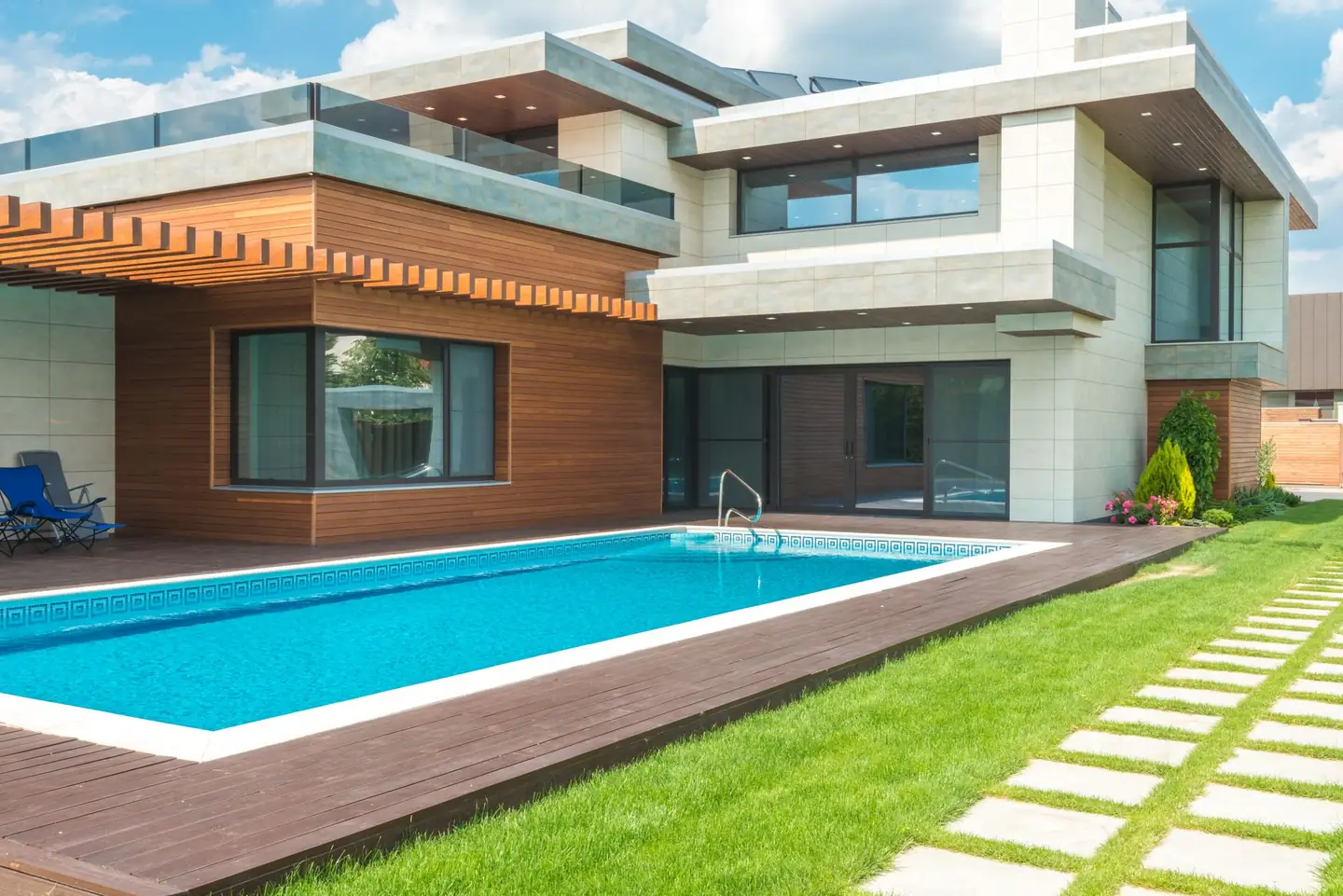
Our Pool Building Services in New Italy
-
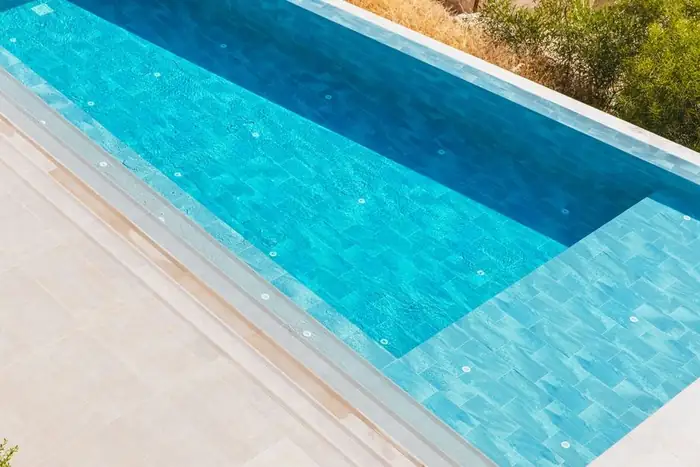
Concrete Pool Construction in New Italy
Engineered, steel-reinforced concrete pools built to last for decades across New Italy and the wider Richmond Valley area.
-
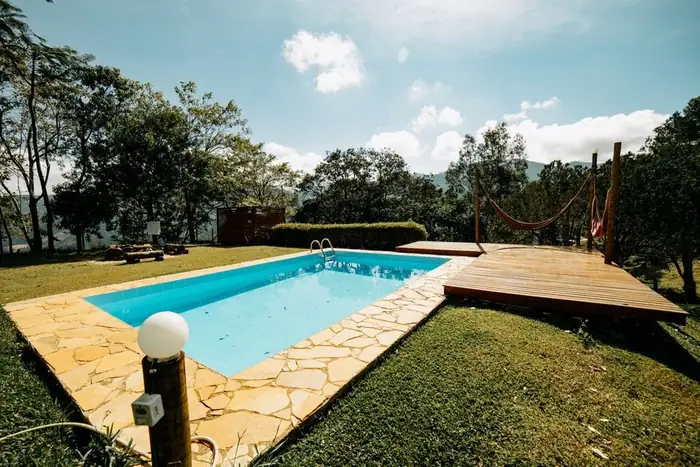
Fibreglass Pool Installation in New Italy
Cost-effective fibreglass pools in a wide range of modern shapes and colours, well suited to most New Italy backyards.
-
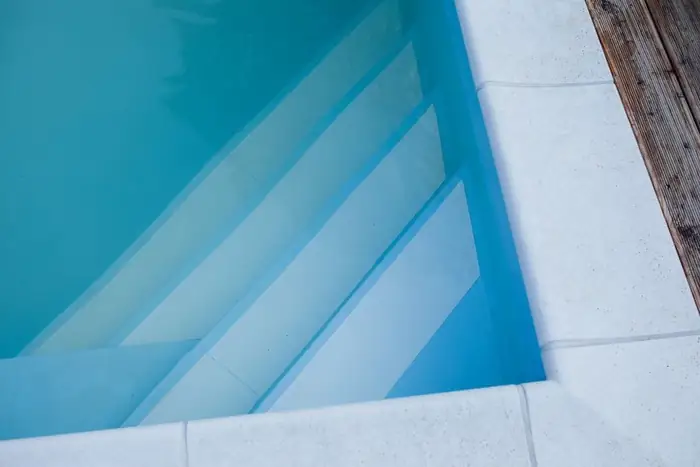
Plunge Pool Construction in New Italy
Space-smart plunge pools for New Italy, often fitted with swim jets, heating and built-in seating for year-round use.
-
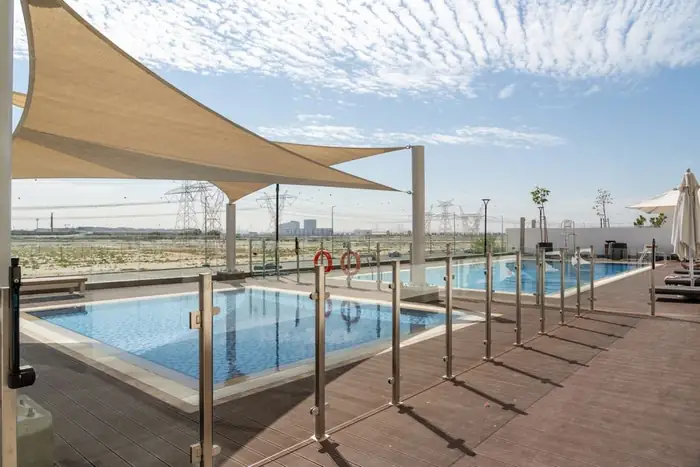
Pool Fencing & Safety Barriers in New Italy
Pool fencing across Richmond Valley that meets NSW barrier law: correct height, self-closing gate and a clear non-climbable zone.
-
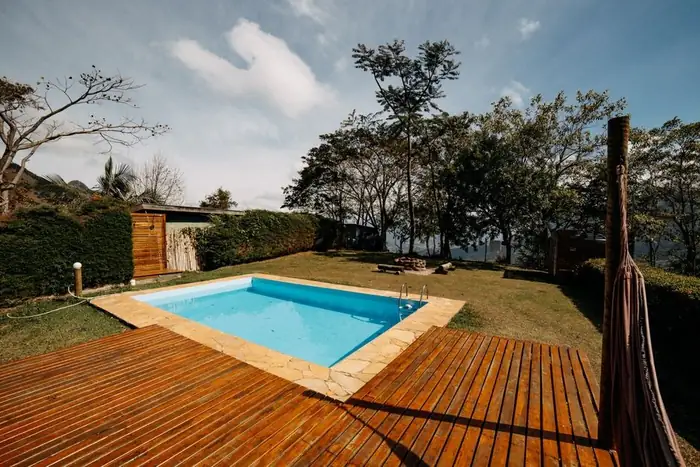
Pool Decking & Paving in New Italy
Slip-resistant pool decking and paving for New Italy homes in timber, composite and stone, built for wet feet and sun.
-
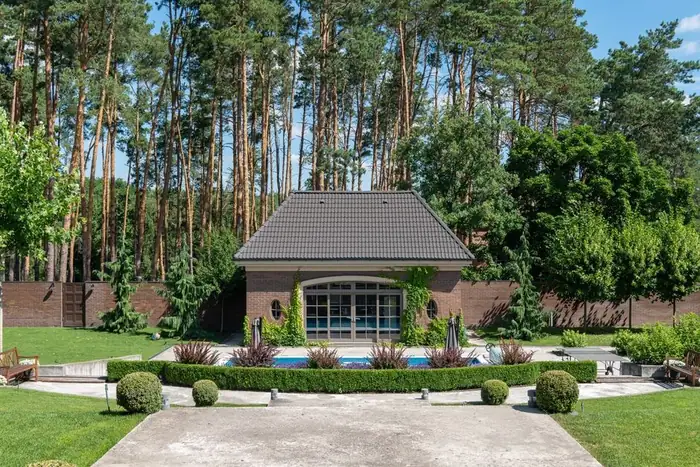
Pool Landscaping & Surrounds in New Italy
Poolside landscaping for New Italy homes: paving, planting, retaining, screening and lighting tied into one cohesive outdoor space.
Building a Swimming Pool in New Italy
A pool changes how a household uses its outdoor space through a Northern Rivers summer, and the building of one runs through a clear sequence of stages. A New Italy builder assesses the site first, looking at access, fall and the position of services and trees, then settles on a design and a pool type that genuinely fit the block rather than forcing a standard shape onto an awkward yard. From there the project moves through approval, excavation, the pool shell, the plumbing and filtration, the compliant barrier and the finishing trades. Concrete pools are formed and sprayed on site and can be shaped to almost any brief; fibreglass shells are craned in and install considerably faster. Either path is workable in New Italy given the right preparation. Local knowledge matters at every step, because what is achievable on a flat double block differs from what suits a sloping or narrow site, and the approval route varies with the property and the relevant Richmond Valley controls. Managing the trades in the right order keeps a build moving and avoids the delays that come from poor sequencing. The aim throughout is a pool that suits your family, your yard and the way you actually intend to use it.
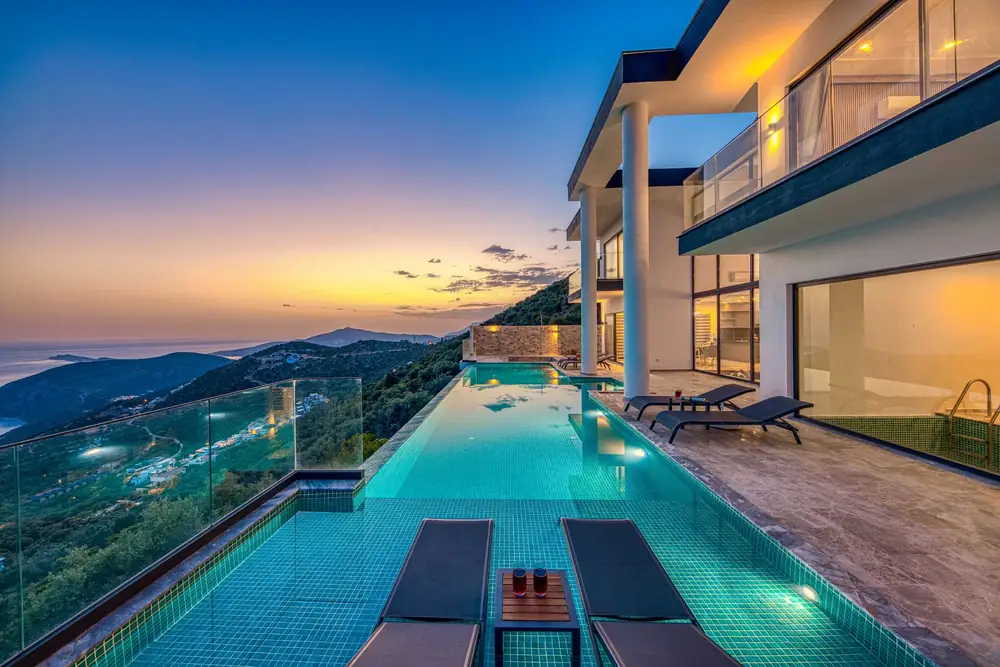
Pool Building and Upgrade Services in New Italy
Pool work across New Italy covers far more than a single standard build. New pools are constructed in both concrete and fibreglass: concrete is formed and sprayed on site and can be shaped to almost any design, including feature edges and integrated spas, while fibreglass arrives as a moulded shell and installs in a fraction of the time. For smaller Richmond Valley blocks there are plunge pools that pack a cooling pool into a tight courtyard, and for the fitness-minded there are lap pools that fit along a narrow side yard. Beyond new construction, plenty of New Italy homes need renovation rather than a fresh build, whether that means resurfacing a worn interior, reshaping an older pool, replacing tired paving or upgrading dated filtration. Safety fencing is a service in its own right, since every pool in New South Wales must carry a barrier meeting AS 1926.1, and heating systems extend the swimming season well beyond the warmest weeks. Landscaping and paving turn the area around a pool into a usable outdoor space rather than a bare slab. Taken together, this range means a homeowner in New Italy can build new, modernise an existing pool, or address a single element such as fencing or resurfacing as a standalone job.
- Concrete Pool Construction in New Italy
- Fibreglass Pool Installation in New Italy
- Plunge Pool Construction in New Italy
- Lap Pool Construction in New Italy
- Infinity & Wet-Edge Pools in New Italy
- Small & Courtyard Pools in New Italy
- Pool Renovation & Remodelling in New Italy
- Pool Resurfacing & Interiors in New Italy
- Pool Fencing & Safety Barriers in New Italy
- Pool Landscaping & Surrounds in New Italy
- Pool Decking & Paving in New Italy
- Pool Heating & Solar in New Italy
- Saltwater Pool Systems in New Italy
- Mineral Pool Systems in New Italy
- Spa & Spa-Pool Installation in New Italy
- Pool Repairs & Leak Detection in New Italy
Concrete, Fibreglass and Plunge Options in New Italy
There is no single best pool for New Italy, only the type that fits a particular block, budget and use. Concrete pools lead on flexibility because they are built on site and can be shaped to almost any brief, which is why they suit sloping Richmond Valley blocks, feature designs and split levels; they are the costlier option, broadly $55,000 to $120,000 or more, and they take longer to complete. Fibreglass pools answer the homeowner who wants to be swimming sooner and spending less, with a craned-in shell, a smooth low-upkeep finish and a typical installed price of $35,000 to $75,000, set against a fixed choice of shapes. For smaller yards a plunge pool delivers a deep, cooling pool in a tight space, and a lap pool turns a slim side run into a fitness lane. A courtyard pool works on a terrace where a full design will not fit, and an infinity edge suits a raised Northern Rivers block where the water can appear to meet the horizon. Reading the block honestly, including its access, fall and the way the sun tracks across it, and then setting that against budget and intended use, is what guides a New Italy household to the pool type that genuinely suits its home.
Which Pool Suits Your New Italy Property
The main decision for most New Italy homeowners is concrete versus fibreglass, and each suits a different set of priorities. A concrete pool is formed and sprayed on site, which means it can be built to any shape, depth or size and can carry features such as wet edges, beach entries, integrated spas and split levels. That freedom comes at a price: concrete costs more and takes longer, generally a few months from dig to swim. Fibreglass works the other way around. The shell is moulded off site and craned in, so the build is fast, the running costs and maintenance are lower thanks to the smooth gelcoat surface, and the price sits below an equivalent concrete pool, though the shape and size are limited to the available moulds. For smaller blocks there are two more options worth weighing. A plunge pool packs a deep, cooling pool into a compact footprint, ideal for a courtyard, while a lap pool turns a long, narrow strip down the side of a Richmond Valley block into a fitness space. The right answer for a New Italy backyard comes from matching the pool to the block size, the budget and how the household actually plans to use the water.
From Design to Water: Building in New Italy
Building a pool is a staged construction project, and a New Italy job is handled in a logical run of steps. The starting point is the design and a written, itemised price, where the pool is matched to the block, the access and the way the family lives. Approval is sorted next under NSW rules, either as Complying Development through a private certifier or as a Development Application with Richmond Valley. Excavation begins after set-out, and the dig is shaped by the soil profile and any sandstone the Northern Rivers site throws up. Steelwork and rough plumbing are completed before the shell is built, and this is where the two main pool types part ways. Concrete is sprayed onto the steel cage and formed over several days, allowing any shape or depth; fibreglass turns up as a finished shell and is lowered into place by crane in a matter of hours. With the shell done, the build moves to paving, fencing, the interior surface and water, then to commissioning the equipment so the pool is ready to swim in. A fibreglass build through Richmond Valley can be wrapped up in a few weeks, while a concrete pool generally spans two to four months depending on finishes, the season and how tight the site is.
Budgeting for a Pool in New Italy
The cost of a pool in New Italy is driven by the type you choose, its size, how easy the site is to work and the finishes you specify. As a broad guide, a fibreglass pool installed in Richmond Valley commonly falls between $35,000 and $75,000, while a custom concrete pool generally sits from about $55,000 to $120,000 or more for larger entertainer designs. The single biggest swing factor is the shell itself, but several site conditions push the figure either way. Difficult access that forces a smaller excavator or a larger crane adds cost, as does rock excavation when the dig hits Northern Rivers sandstone. Retaining walls on a sloping block, premium tiling, extensive paving and full landscaping all add up beyond the pool itself. The clearest way to understand a number is an itemised, fixed-price scope that lists every inclusion, from the shell and filtration to fencing, coping and electrical work, with any provisional sums listed separately. That way a New Italy homeowner can see exactly what sits inside the price and what does not, and compare builders on substance rather than a single headline figure. It also makes the often-overlooked costs, such as fencing certification and bringing power to the equipment, visible from the outset rather than appearing as surprises later in the Richmond Valley build.
Meeting NSW Pool Safety Requirements
Every new pool in New South Wales sits within a clear safety framework, and understanding it takes the worry out of the process. Approval is the first requirement, and it follows one of two paths. For straightforward blocks, a pool can be approved as Complying Development, with a Complying Development Certificate issued by a private certifier, a faster route that avoids a full council assessment. Where the site is more complex, or local controls apply, approval instead comes through a Development Application lodged with Richmond Valley council. Whichever path applies, the pool must have a child-safety barrier that complies with AS 1926.1: a minimum fence height of 1200 millimetres, a self-closing and self-latching gate, and a non-climbable zone kept clear around the fence. Once construction is complete, the pool must be entered on the NSW Swimming Pools Register before it can be filled and used, and a certificate of compliance confirms the barrier meets the standard. During the build itself, work is carried out under SafeWork NSW requirements covering site safety. None of this is left to chance: in a New Italy build the certification, barrier and registration are coordinated so the finished pool is compliant from the day it is first used.
Pool Building Experience Across Richmond Valley
Building pools well in New Italy depends heavily on knowing the area, and that is the foundation Aussie Pool Builder works from. The team is licensed and insured for residential pool construction in New South Wales and operates across New Italy, Richmond Valley and the neighbouring Northern Rivers, drawing on local trades who understand the conditions here. Three things in particular make local knowledge count. The first is access: many New Italy properties have constrained side passages or shared driveways, and knowing in advance how excavation gear and a crane will reach the site avoids expensive surprises. The second is the ground itself, since soil type, water table and rock vary widely across Richmond Valley and directly affect engineering, excavation cost and the choice between a sprayed concrete pool and a craned-in fibreglass shell. The third is the regulatory path, because approvals in New South Wales run either as a Complying Development Certificate through a private certifier or as a Development Application through the Richmond Valley council, and a builder who knows which suits a given block saves time. Add in fencing to the AS 1926.1 barrier standard and registration on the NSW Swimming Pools Register, and it becomes clear why a builder rooted in New Italy tends to deliver a smoother build than one without that local grounding.
Choosing a Reliable Pool Builder in New Italy
Choosing a pool builder in New Italy is a decision worth approaching methodically, because the cost is high and the work is hard to undo. Licensing is the natural starting point: any builder doing residential work in New South Wales needs a current licence, and a homeowner can verify it through the NSW Fair Trading register rather than relying on a logo on a website. Insurance is the next layer, with current public liability cover being the protection that matters most during construction. Then there is the contract, which on a sound job spells out a fixed-price scope covering the shell, filtration, fencing, paving and any provisional sums in writing, leaving little room for unexpected charges later. Genuine local references, ideally from recent pools around Richmond Valley, give a sense of whether a builder delivers what it promises. It is just as important to recognise the warning signs, and the clearest of these is a request for a large cash deposit, which a reputable New Italy builder will not need. Reluctance to itemise inclusions or to show recent Northern Rivers projects points the same way. A dependable builder also explains the approval path plainly and accounts for the compliant fencing and pool registration that New South Wales requires.
Local Building Knowledge for New Italy Pools
Every New Italy block brings its own conditions, and a sound pool build accounts for them from the outset. Access is usually the first thing assessed, because the width and fall of the side of the house govern what machinery can reach the yard; a tight passage common on older Richmond Valley lots may mean a smaller excavator, hand digging or a crane lifting equipment over the roof. The ground beneath matters just as much, since Northern Rivers soils range from sand to clay to shallow sandstone, and rock in particular adds time and cost to excavation while changing the engineering the shell requires. Slope is another consideration, as a sloping New Italy site may need retaining walls or a raised edge to sit the pool level, and established trees have to be protected or carefully removed with their roots in mind. The Richmond Valley council sets the rules a build must satisfy, and most pools proceed either as a Complying Development Certificate via a registered certifier or as a Development Application through council, depending on the property and the design. Reading the block, the soil, the slope and the local controls together is what keeps a New Italy pool build on track, and it is exactly the kind of judgement that comes from working in the area.
Pool Building in the Northern Rivers Region
The Richmond-Tweed in the far north-east is the warmest, most humid corner of the state, taking in Lismore, Ballina, Byron Bay and the Tweed. Hot, wet summers and mild winters give one of the longest swimming seasons in New South Wales, frequently September to May, with a heat pump easily extending it to year-round use. Soils range from rich volcanic basalt clay on the hinterland ridges to coastal sand near the beaches, and the heavy clay is reactive, so engineered footings and drainage are important on hillside blocks around New Italy. The region also carries genuine flood risk, as Lismore has shown, so finished pool levels and equipment placement should be checked against flood mapping. High rainfall and humidity mean good filtration and circulation matter. Sloping hinterland sites often suit a partly raised or infinity-edge design across Richmond Valley.
Common Pool Questions in New Italy
- What does a pool cost to build in New Italy?
- In New Italy, fibreglass pools commonly fall between $35,000 and $75,000 installed, and concrete pools between $55,000 and $120,000-plus, depending on size and finishes. Tricky access and soil conditions across Northern Rivers can shift the price, which is why an itemised, fixed-price scope for your exact Richmond Valley site gives the most accurate figure.
- Should I choose a concrete or fibreglass pool?
- Concrete pools offer full design freedom in any shape, size or depth and suit unusual or sloping New Italy blocks, but they cost more and take longer to build. Fibreglass pools install faster, cost less and need less maintenance, with a smooth gelcoat finish. The right choice in Richmond Valley comes down to your block, your budget and how you plan to use the pool.
- What is the typical pool build timeline in New Italy?
- Most pools in New Italy are finished within a few weeks to a few months, depending on type and complexity. Fibreglass is the quickest path to swimming; concrete takes longer because every stage is built in place. A clear construction schedule set before work starts keeps each Richmond Valley build on track from excavation to handover.
- Do I need council approval for a pool in NSW?
- Yes. Most pools in New Italy are approved either as a Complying Development Certificate through a private certifier or via a Development Application lodged with Richmond Valley council. The pathway depends on your block size, setbacks and any local controls. Approval is part of any properly run pool build in New South Wales.
- What is the timeframe for getting a pool approved in NSW?
- A Complying Development Certificate is the quicker route in New South Wales and can be issued in weeks when the pool meets all the relevant criteria. A Development Application with Richmond Valley council usually runs longer because of the formal assessment process. Site complexity, setbacks and how complete the lodged documents are all influence the timeframe in New Italy.
- What are the pool fencing rules in NSW?
- Every pool in New South Wales must have a compliant child-safety barrier that meets the AS 1926.1 standard. That means the correct fence height, a gate that is both self-closing and self-latching, and non-climbable zones kept clear around the barrier. Once built, the pool must also be listed on the NSW Swimming Pools Register before it can be filled and used.
- How much does it cost to run a pool in New Italy?
- Expect regular outlays for power, water balancing chemicals and top-up water, with heating adding to the total when used. Choosing an efficient variable-speed pump, a salt or mineral chlorination system and a cover reduces day-to-day running costs across the year. Maintenance is straightforward on a well-built New Italy pool with quality equipment in Richmond Valley.
- Can you build a pool on a small or sloping New Italy block?
- Yes. Plunge pools and compact lap pools are designed for small New Italy courtyards and narrow side spaces, making the most of a tight footprint. Sloping Northern Rivers sites are handled with retaining, engineered footings or elevated decking. An on-site assessment of access, soil and slope determines the best design for the block.
- What pool heating options work in New Italy?
- Heating lets a New Italy household swim for far more of the year. Solar collectors suit homes with good roof exposure, heat pumps draw warmth from the air efficiently, and gas suits fast or intermittent heating. The right choice depends on pool size, budget and how often it is used, and a cover sized to the pool makes any system in Richmond Valley work harder.
- Saltwater, mineral or chlorine: which pool system is best?
- A saltwater system generates chlorine from a small amount of salt, so there is no handling of harsh chemicals and the water feels softer. Mineral systems use magnesium and potassium for water that is gentler again on skin and eyes. Traditional chlorine is dosed manually and is the lowest-cost setup. Many New Italy homes choose salt or mineral for comfort and easier upkeep.
- What is included in a typical pool build, and what site access is needed?
- A standard New Italy build typically covers design, approval, set-out and excavation, the pool shell, plumbing and filtration, a compliant safety barrier, paving and the interior finish. Machinery needs clear side access to reach the dig, and a fibreglass shell requires room for a crane to swing in. An itemised scope sets out exactly what the fixed price includes on your Richmond Valley block.
- Are pools built in New Italy covered by a warranty?
- All work is covered by warranty, with full builder licensing and insurance held in NSW. Concrete pools carry a structural warranty on the build, and fibreglass shells add the maker's warranty on top. The exact inclusions, terms and durations are detailed in the written contract so the cover on your Richmond Valley pool is clear from the outset.
Other Suburbs We Serve in Richmond Valley
Kilgin Pool Builders
Rileys Hill Pool Builders
Tabbimoble Pool Builders
Moonem Pool Builders
Trustums Hill Pool Builders
Bundjalung Pool Builders
Esk Pool Builders
North Woodburn Pool Builders
Doonbah Pool Builders
Iron Gates Pool Builders
Evans Head Pool Builders
South Evans Head Pool Builders
Bora Ridge Pool Builders
Codrington Pool Builders
Coraki Pool Builders
Green Forest Pool Builders
Greenridge Pool Builders
Tatham Pool Builders
East Coraki Pool Builders
West Bungawalbin Pool Builders
Alumy Creek Pool Builders
Barcoongere Pool Builders
Barretts Creek Pool Builders
Baryulgil Pool Builders
Blaxlands Creek Pool Builders
Blaxlands Flat Pool Builders
Bom Bom Pool Builders
Bookram Pool Builders
Braunstone Pool Builders
Brushgrove Pool Builders
Buccarumbi Pool Builders
Calamia Pool Builders
Cangai Pool Builders